
Washington, D.C
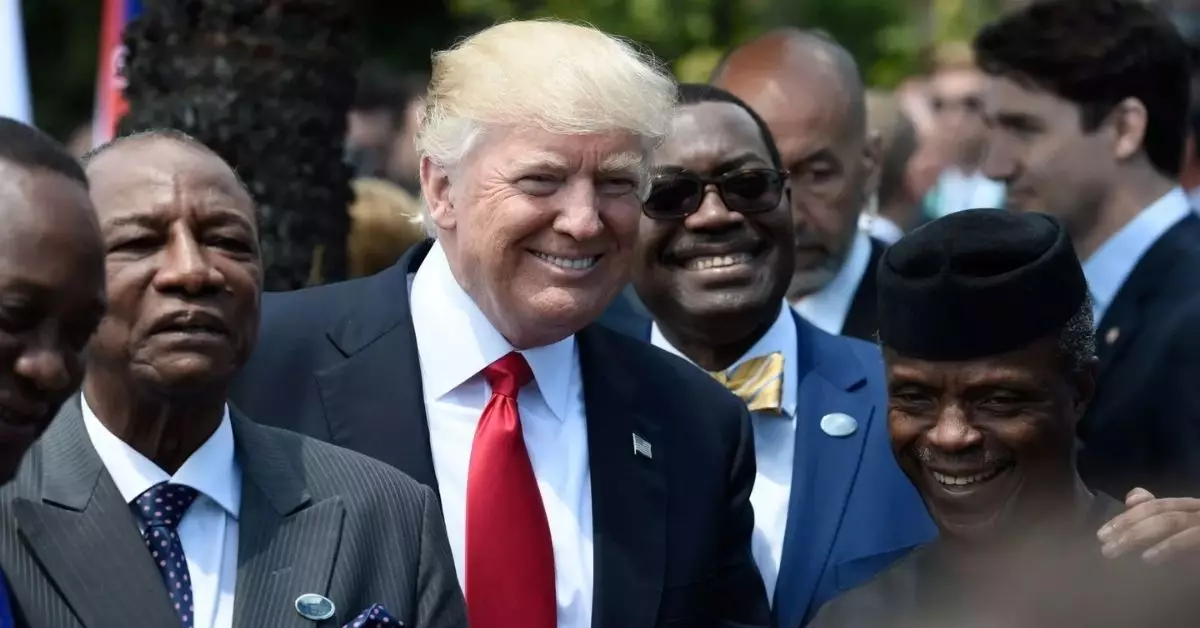
Good evening, this is a special report on the upcoming U.S.-Africa summit. From July 9 to 11, 2025, President Donald Trump will host leaders from Gabon, Guinea-Bissau, Liberia, Mauritania, and Senegal in Washington, D.C., for a high-stakes meeting focused on boosting trade and investment. The White House is framing this as a pivotal moment to strengthen economic ties with Africa, a continent increasingly seen as a frontier for American business opportunities.
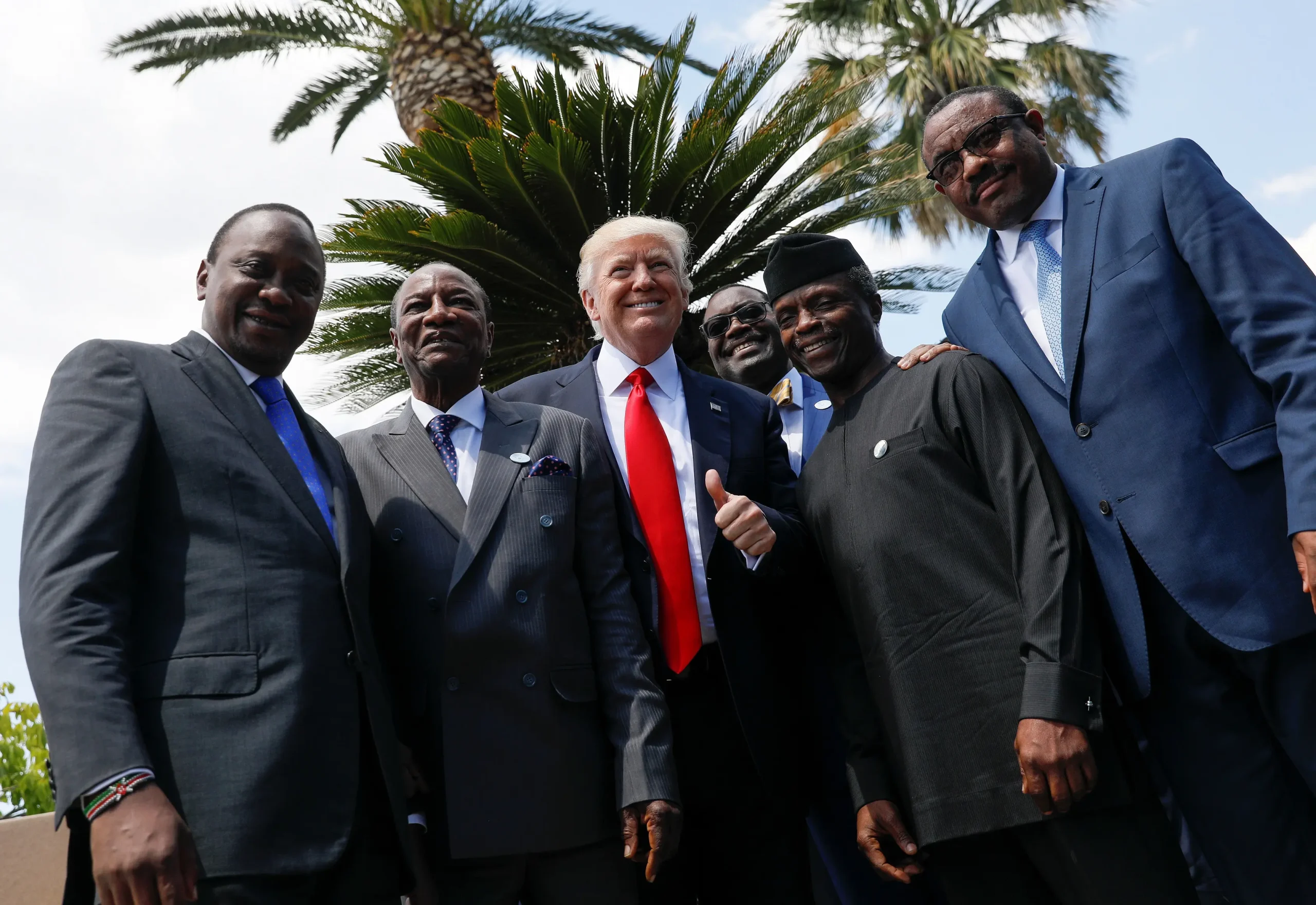
The summit marks a shift in U.S.-Africa relations, moving away from traditional aid-based diplomacy toward a model that prioritizes mutual economic benefits. President Trump has emphasized the potential for American companies to tap into Africa’s growing markets, with discussions expected to center on infrastructure, energy, and technology partnerships. This approach aligns with Trump’s broader “America First” agenda, which seeks to secure tangible returns for U.S. investments abroad.
The choice of these five nations—Gabon, Guinea-Bissau, Liberia, Mauritania, and Senegal—reflects their strategic importance, from Liberia’s historic ties with the U.S. to Senegal’s stable economy and growing tech sector. Analysts suggest the summit could lead to new trade deals, particularly in energy and agriculture, though specifics remain under wraps.
This meeting follows a controversial encounter in May 2025 between Trump and South African President Cyril Ramaphosa, where Trump’s remarks about “white genocide” sparked global debate. This time, the administration is keen to keep the focus on commerce, sidelining political or security issues. However, some African leaders may raise concerns about U.S. policies, including trade tariffs and visa restrictions, which have strained relations in the past.
As the summit approaches, all eyes will be on whether Trump’s deal-making style can forge lasting partnerships with these African nations. The outcomes could reshape economic ties and signal a new chapter in U.S.-Africa relations.