

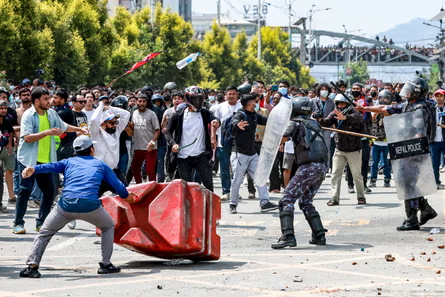
At least 10 people have been killed in Nepal following violent protests against the government’s decision to ban major social media platforms. The ban, which authorities said was meant to curb misinformation and online abuse, quickly sparked outrage among citizens who saw it as an attack on free expression.

Protesters poured into the streets in several cities, demanding that the government reverse its decision. What began as peaceful demonstrations reportedly turned violent when security forces tried to disperse crowds, leading to clashes that resulted in multiple casualties and dozens of injuries.
For many Nepalis, social media is not just entertainment but also a vital tool for communication, business, and activism. Analysts say the government’s decision reflects a growing global trend where authorities struggle to balance online regulation with democratic freedoms. Critics argue that outright bans often create more anger and unrest rather than solving the problem.
The deaths mark a worrying escalation in tensions, raising questions about governance and citizens’ rights in Nepal’s young democracy. International observers are calling for restraint on both sides, urging dialogue instead of confrontation.
In simple terms, this is not just about Facebook, Twitter, or TikTok — it is about people’s voices, their rights, and how governments respond to the challenges of the digital age. The outcome of this crisis may shape how Nepal handles freedom of speech in the years to come.
Discover more from VOICE OF THE PEOPLE
Subscribe to get the latest posts sent to your email.


