


London, United Kingdom – August 20 2025
A skincare advert by Sanex has been banned in the United Kingdom after it was found to carry harmful and racially insensitive messaging — suggesting that Black skin is “problematic” and white skin is “superior.”
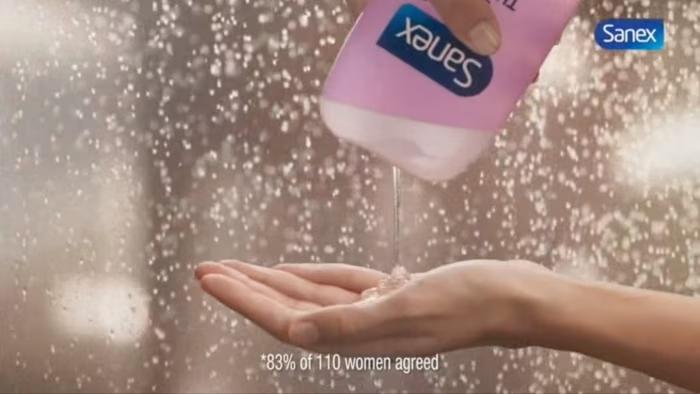
The UK’s Advertising Standards Authority (ASA), which regulates advertising content, ruled that the campaign breached its guidelines by reinforcing damaging stereotypes about race and skin tone. The watchdog said the advert implied that darker skin needed to be “corrected” or “improved” to a lighter tone, sparking widespread backlash from viewers and anti-racism groups.
The ad, which featured visuals of skin tones seemingly improving in “health” as they lightened, triggered complaints for promoting outdated and discriminatory beauty standards.
Representation and inclusivity in advertising aren’t just buzzwords — they’re about respect and responsibility. When a global brand sends out a message that lighter skin is somehow “better,” it doesn’t just miss the mark — it causes real harm. It reinforces colorism, a form of discrimination within communities of color where lighter skin is unfairly viewed as more desirable.
Many people, especially in Black and Brown communities, grow up battling insecurities about their natural skin tones due to exactly these kinds of media messages. Campaigns like the Sanex ad can deepen those wounds, making people feel that they’re “less than” just because of how they look.
Sanex’s parent company, Colgate-Palmolive, has apologized and pulled the advert. In a statement, they said, “We deeply regret any offense caused and are reviewing our internal processes to ensure this doesn’t happen again.”
This incident is a wake-up call for brands to think beyond sales. In today’s world, where diversity is celebrated and demanded, companies must do better — not just to avoid bans, but to uplift and reflect all communities with dignity and equality.
Discover more from VOICE OF THE PEOPLE
Subscribe to get the latest posts sent to your email.


